
Day 1 :
Keynote Forum
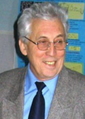
Leonard L Vasiliev
National Academy of Sciences of Belarus, Belarus
Keynote: Heat pipes with nanocomposites analysis and application
Time : 09:30-10:10
Biography:
Leonard L Vasiliev is the President of the NIS Association “Heat Pipes”, Chief Researcher of the Luikov Heat and Mass Transfer Institute, National Academy of Sciences, Belarus. He started his scientific career with studies of thermal properties (thermal conductivity, heat capacity, thermal diffusivity) of solid materials at cryogenic temperatures and developed a new non-stationary method of its measurements (1960-1964) in the Luikov Heat and Mass Transfer Institute under the guidance of Professor Alexis Luikov as his Supervisor. He obtained the first Doctor’s degree (Candidate of science) in 1964 in Minsk with the thesis “Thermal properties of solid materials at cryogenic temperatures”.
Abstract:
Solar energy is one of the most interesting solutions among renewable energy resources as it can be converted easily whether into heat, cold, or into electricity. The main problem when using such an energy source is its unfair time distribution which may cause mismatch between needs and availability. Heat pipes, long thermosyphons (vapor dynamic thermosyphons, and flat polymeric loop thermosyphons) are of great interest as components of heat exchangers for recuperation of energy of renewable sources (solar, ground) and upgrading their potential with the help of heat pumps. Transparent heat pipes and thermosyphons with nanofluids and nano-coated surface inside considered in this research program are a good tool to absorb solar radiation in the volume of the fluid flow. Vapor dynamic thermosyphons cooling system is good solution for building-integrated photovoltaic technology. Development of the new environmentally – friendly and energy – efficient technologies will be vital to achieving investigation of a hybrid photovoltaics/thermo-collector (PV/T) systems, providing electricity and heat/cold simultaneously, represent an important step toward reducing dependency on fossil fuels.
Keynote Forum
Wing F Ng
Virginia Tech, USA
Keynote: Gas turbine flow characterization using non-intrusive acoustic measurements
Time : 10:10-10:50

Biography:
Wing F Ng has completed PhD from MIT Gas Turbine Lab and holds the Chris Kraft Endowed Professorship of Mechanical Engineering at Virginia Tech. Throughout his career, he has won many awards for his teaching, research and entrepreneurial activities. He has 35 years of research experience in gas turbine aerodynamics & heat transfer, has received 5 ASME best paper awards, and is an active advisor for NASA and the US Air Force. In addition to his full-time faculty role, he owns an engineering and manufacturing company by the name of Techsburg, Inc.
Abstract:
Traditionally, intrusive instruments such as total pressure and total temperature probes have been used to measure compressible flow conditions. While these instruments are effective and widely used, they generate turbulence and produce blockage which could be undesirable in a variety of applications. Throughout this research, the use of non-intrusive acoustic measurements for flow velocity and temperature detection in compressible flow (Mach>0.3) environments was investigated. First, a novel acoustic technique was developed for compressible flow applications. The new approach was used to accurately measure single-stream jet velocities and temperatures in compressible flow conditions for the first time. Later research explored the use of this technique at the exhaust of a JT15D-1A turbofan research engine. Ultimately, 1.1 kg/s and 200 N root mean square errors in mass flow and thrust were observed for the tested engine conditions. Overall, the results of this experiment demonstrated that acoustic measurements could be used to estimate engine mass flow rate and thrust in a non-intrusive manner. The final portion of this research focuses on the non-intrusive detection of fluid velocity and temperature gradients. Since existing acoustic tomography techniques require an incompressible flow assumption, a novel approach has been proposed and used to perform a validation experiment in the single-stream jet facility. The recent experimental findings indicate that non-intrusive acoustic measurements could be used to measure velocity and temperature gradients in compressible flow environments as well. Further research is currently being conducted to better understand the accuracy limitations of the proposed tomography technique. To the authors’ knowledge, this is the first time a non-intrusive acoustic technique has been used to characterize engine flows with Mach numbers greater than 0.3.
Keynote Forum
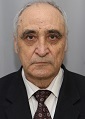
I V Sharikov
Saint Petersburg Mining University, Russia
Keynote: The scaling problem of oxide materials hydrothermal synthesis for various autoclave reactors with considering natural convection
Time : 11:20-12:00
Biography:
I V Sharikov graduated from the Technological University, St.-Petersburg, in 1958. Diploma qualification is “chemical engineer-technologist”. In 1961 he entered a post-graduate course in the same Technological University, department of Physical Chemistry. In 1965 he presented a dissertation work and got Ph.D (physical chemistry), chemical kinetics and mass transfer phenomena. From 1965 to 1979 he was Head of Laboratory of mathematical modelling and optimisation of chemical and technological processes (Research Institute of Synthetic Resins, Vladimir, VNIISS). In 1973 he presented and defended a dissertation work for Doct. Sci. – “Mathematical modelling of cellulose esters production process”. In 1976 he got a Professor diploma for the speciality “Processes and Apparatuses in Chemical Technology”. In 1979 he became Head of the Department for engineering judgement of chemical processes (Russian Scientific Centre “Applied Chemistry”, RSC AC, or GIPH). 1985-1999 - Deputy General Director for scientific work in RSC AC. 1999-2007 - Principal Research Scientist, leader of several works on developing new chemical processes and their engineering aspects. Totally 182 articles were published in Russian and foreign scientific journals. I.V. Sharikov is a member of the working group on Loss Prevention in industry in the European Society of Chemical Engineers. From 2004 and up to the moment I.V. Sharikov is professor of Saint Petersburg Mining University, Department of Technological Processes Automation. His area of interest is mainly the problem of optimal control and modeling for high temperature metallurgical and petrochemical processes. He is fluent in English and German.
Abstract:
Hydrothermal synthesis is widely used for the production of various nanodispersed oxide materials. Reactions under hydrothermal conditions are complicated and usually they are accompanied with heat generation or heat absorption. Heat flux calorimetry is a powerful instrument for kinetic study and developing mathematical models of hydrothermal reactions. A mathematical model makes it possible to determine optimal experimental conditions for the production of a definite material on the base of a limited number of kinetic calorimetric runs. But in order to apply the kinetic data to reactors of larger volume one should take into account heat transfer, mass transfer phenomena and non-uniform temperature distribution in a definite apparatus at the chosen initial conditions and in course of hydrothermal synthesis. Reaction vessel of C80 Calvet calorimeter (SETARAM Instrumentation) is a micro-autoclave of 8.5 cm3 volume without mechanical stirring. Heat transfer and mass transfer inside it are run due to natural convection while heating to a chosen temperature of an isothermal run. And temperature gradient in this case is rather moderate (yet not negligible) as the reactor is relatively small. If we pass to the reactor of a larger volume (e.g., 1 liter) – we find that the real temperature mode in it is far from that in a kinetic vessel at the same initial conditions. In order to take into account the temperature and conversion distribution due to natural convection in course of a definite hydrothermal synthesis we have developed a mathematical model that takes into account convection inside a hydrothermal reactor together with the chemical reaction. Convective flows were described at the base of Business approach and the differential equations system was solved with applying Convex program package that takes into account size and geometry of the reactor, reaction mixture properties, heat transfer peculiarities inside and outside and heat generation due to chemical reaction. It was found that temperature and conversion distributions in the calorimetric vessel and in the 1 liter reactor were rather different at similar initial conditions from the very beginning. Time of reaching the stationary temperature profile in the bigger vessel at implementing, e.g., isothermal mode is comparable with total duration of the run, and stationary temperature gradient is bigger as well. This indicates of the necessity to estimate rigorously the natural convection and heat transfer phenomena at scaling the hydrothermal synthesis for the reactor of bigger volume without mixing. Kinetic models developed on the base of calorimetric data cannot be directly applied to simulating the hydrothermal synthesis process in such a reactor.
- Fluid Dynamics | Turbine | Heat Transfer System | CFD Methodology | Hydrodynamics | Aero-acoustics | Aerodynamics Simulation
Location: Sylt 3
Chair
Leonard L Vasiliev
National Academy of Sciences of Belarus
Co-Chair
I V Sharikov
Saint Petersburg Mining University, Russia
Session Introduction
Moise Y Koffi
City University of New York, USA
Title: Vortex shedding leading to heat transfer rise in the vicinity of a rotationally oscillating heated plate
Time : 12:00-12:25


Biography:
Moise Y Koffi completed his PhD in the year of 2014 from the City University of New York-Graduate Center. He is an Assistant Professor and Engineering Coordinator in the Mathematics Department of CUNY-Hostos Community College. He is the author of several publications and conference presentations in reputed journals. His investigation model is based on computational fluid dynamics (CFD) for the analysis of flow parameters and local surface thermal characteristics in the vicinity of flat and rotating devices. His research explores new locomotion and cooling techniques used in microelectronic applications as well as biological systems.
Abstract:
The study of the vortices generated in the vicinity of rotationally oscillating flat plates presents an interest due to the enhanced local flow and surface thermal characteristics. This research is conducted to examine the impact of vortex shedding on the heat transfer rate in the vicinity of a rectangular flat plate of 0.3 m x 0.2 m at ambient conditions. The plate is rotated from rest, back and forth, over amplitude of 90° angle about a fixed edge; each face was heated with a constant heat flux. The computational fluid dynamics (CFD) software Fluent 6.3 was utilized to simulate the flow induced by the oscillatory motion of the plate, using the dynamic mesh method. Flow visualization techniques with smoke particles were utilized to analyze the flow nature around a fabricated laboratory model. During rotational oscillations of the plate, the local surface temperature was documented using small size J-types thermocouples. It was found from both experimental and computational methods that strong vortices developed over the plate’s surface near its free edges, during flapping cycles. At end strokes, the shedding of these vortices disturbs significantly the plate’s boundary layer leading to heat transfer enhancement at these locations. The time dependent surface temperature is characterized by a symmetrical spatial distribution. It increases through a transitory periodic phase before reaching steady periodic oscillations. This result can be useful in microelectronics cooling or in bioengineering to understand the importance of the flapping of elephants’ pinnae in body heat dissipation.
Xesus Nogueira
University of A Coruna, Spain
Title: High-accurate meshless formulations for non-smooth compressible flows
Time : 12:25-12:50


Biography:
Xesus Nogueira has his expertise in Computational Fluid Dynamics. He earned his PhD degree from University of A Coruna, Spain in 2009. He was Visiting Professor during the period 2011-2012 at Arts et Metiers ParisTech, France, and he is currently an Associate Professor in the Civil Engineering School at University of A Coruna. His research interest is focused on computational fluid mechanics, in particular high-order methods for compressible and incompressible flows. He has received the Juan C. Simo Young Investigator Award from SEMNI, the Spanish Society for Numerical Methods in Engineering.
Abstract:
Numerical simulation is nowadays a fundamental tool in science and engineering. It is involved in almost every discipline, and it is used in almost every field of research. In particular, computational fluid dynamics (CFD) has become an essential tool in both design and research. The development of numerical methods for the simulation of problems involving highly complex geometries, which are frequent in many engineering problems, remains a very active research field in computational fluid dynamics. However, current CFD methods suffer from a series of drawbacks: The use of CFD in the aerospace design process is severely limited by the inability to accurately and reliably predict turbulent flows with significant regions of separation and; nowadays, the standard numerical techniques in CFD are mainly grid-based methods. Mesh generation and adaptivity continue to be significant bottlenecks in the CFD workflow. In this context, the use of meshless methods may be interesting for problems involving deformable or moving boundaries in the propagation media or multiphase flows. Moreover, these methods do not require a mesh for the discretization, and then they can overcome one of the most important bottlenecks in the design process. In this work, we propose a new high-accurate, stable and low dissipative meshless method based on a Galerkin discretization of a set of conservation equations on an arbitrary Lagrangian Eulerian (ALE) approach, using moving least squares as weight functions for the Galerkin discretization. Differently to most common smooth particle hydrodynamics (SPH) approaches, the proposed method uses Riemann solvers instead of the artificial viscosity approach to prevent oscillations near shocks. The stability of the scheme is achieved by the recent a posteriori multi-dimensional optimal order detection paradigm. Using moving least squares (MLS) functions the partition of unity property is verified even near shocks, which allows the method to obtain very accurate results.
Boiger Gernot K
Zurich University of Applied Sciences, Switzerland
Title: Eliminating anomalies of CFD model results of the powder coating process by refining aerodynamic flow-particle interaction and by introducing a dynamic particle charging model
Time : 12:50-13:15


Biography:
Boiger Gernot K completed his PhD in the year 2009 from University of Leoben, Austria. He is a Senior Lecturer as well as Head of research area of Multiphysics Modeling at the Institute of Computational Physics, Zurich University of Applied Sciences. He has published more than 15 papers in reputed journals and has been serving as an Editorial Board Member and Section Editor of the International Journal of Multiphysics. His expertise includes multiphysics modeling in the context of simulation based product and process development with a strong focus on modeling particle-laden flows in powder coating applications.
Abstract:
A computational fluid dynamic (CFD) model of the powder coating process has been developed using OpenFoam®. It considers particle-dynamic-, aerodynamic-, electro-static- and gravitational effects. While being fully functional, the Eulerian-LaGrangian model has in some cases shown anomalies, yielding coating predictions, which were not observed in comparable experiments. In order to analyse and amend the problem, the underlying Reynolds average stress (RAS) turbulence modelling approach was (i) re-evaluated, compared to (ii) direct numerical simulation (DNS) and (iii) large eddy simulation (LES) flow modelling methods, (iv) improved to account for turbulence impact on flow-particle interaction and (v) extended by a dynamic particle charging algorithm. The effects of the said model improvements were investigated and model-results were compared to measurements of experimentally obtained coating thickness values. It can be shown that the modified simulation model yields a much higher level of correspondence to experiments than previous versions.
Vladimir Zhukov
Novosibirsk State Technical University, Russia
Title: The Effect of the height of the horizontal layer of a liquid and pressure on hydrodynamic regimes of evaporation/boiling and critical heat flux
Time : 14:15-14:40


Biography:
Vladimir Zhukov is an Associate Professor at Novosibirsk State Technical University (since 1998). He graduated from the Department of Physics of Novosibirsk State University with a Speciality in Physics in 1982. He worked as an Еngineer at Novosibirsk Branch of the Chemical, Engineering Design Institute (1982-1993). He received his Ph.D. in Engineering Sciences (Kutateladze Institute of Thermophysics SB RAS) in 1991. To date, he has published 26 papers in journals in the field of science and technology. The scope of his scientific interests includes experimental study of heat and mass transfer processes in vacuum diffusion pumps, swirling flows, heat transfer and crisis phenomena at boiling and evaporation the film of liquids.
Abstract:
Evaporation regimes at low reduced pressures were characterized by formation of dry spots and structures with the shape of ‘‘funnels” (depressions with a hemispherical bottom on the layer surface) and ‘‘craters” in the layers. In contrast to dry spots, the surface of ‘‘craters” is covered with a residual layer of liquid. The structures with the shape of “funnels” and “craters” were formed on the layer surface under the action of vapor recoil force. This study presents regime maps indicating the regions of dry spots, ‘‘funnels”, ‘‘craters”, and nucleate boiling observed for each layer height depending on the reduced pressure and heat flux density. Dry spots occurred in the layer with the height less than Laplace constant under reduced pressure that was caused by the action of thermo-capillary forces. When the layer height was approximately equal to Laplace constant at low reduced pressures, instability arose, and that led to the formation of “funnels” and “craters”. The “funnels” will be certain to form because of the intensive evaporation of the overheated fluid if the thermal plume rises to the free surface of the horizontal layer. The minimum layer height will be approximately equal to Laplace constant in case it is the reason of instability causing thermal plumes formation at the outer edge of the boundary film layer. We observed three types of boiling crises: a nucleate boiling crisis, a crisis of surface dryout, and a crisis due to the Leidenfrost phenomenon.
Satyanarayana Badeti
VIT - AP University, India
Title: The modification of Ekman-Hartmann layer by the imposition of axial velocity
Time : 14:40-15:05


Biography:
Satyanarayana Badeti completed his PhD from VIT University, India under the guidance of Dr. Somaraju Vempaty. Presently he is an Assistant Professor at VIT-AP University, Amaravati, Andhra Pradesh, India in the Department of Mathematics.
Abstract:
The effect of normal blowing on a linear, steady, axisymmetric Ekman-Hartmann boundary layer on an infinite flat insulating plate is analyzed. The problem is governed by three parameters, namely the Ekman number , the magnetic interaction parameter
 and the injection Rossby number
 . In the parametric range
 and
and , the viscous Ekman-Hartmann layer is blown up by the injection of the fluid, and it becomes inviscid to the lowest order. Injection and magnetic terms balance each other giving rise to a new boundary layer of thickness
 , which may be called linear resistive layer. Since, the resistive layer is thicker than the Ekman-Hartmann layer, it can support more electric and mass flux, thus signifying a possible faster spin-up compared to conventional hydromagnetic case. The electric current increases with magnetic interaction parameter α beyond the saturation value, and finally approaches the saturation value as
 . The vertical mass flux into the resistive layer decreases with magnetic field as expected because of the stiffening effect of the magnetic field. This resistive layer, characterized by dispersive and diffusive length scales for
 merges with the interior and becomes a resistive region in the parameter range
 and
and . The other parameter ranges are clearly identified wherein the resistive
 layer merges smoothly into the Ekman layer, the
 injection layer that occurs when
 , the Ekman-Hartmann layer and the
 Hartmann layer. In addition to exact solutions, asymptotic solutions are also given for
  andto understand the problem more systematically and physically.
Wasim Sarwar
Polytechnic University of Catalonia, Spain
Title: Numerical investigation of fluidic active flow control on circular cylinder in transitional regime
Time : 15:05-15:30


Biography:
Wasim Sarwar is pursuing his PhD from the Technical University of Catalonia, Department of Physics, Aerospace Engineering Division, under the supervision of Dr. Fernando Mellibovsky. His research interests include boundary layer separation, turbulent transition, active flow control, dynamical systems, bifurcation theory, etc.
Abstract:
The fluid flow past bluff bodies even in the low to moderate regimes results in large unsteady wakes that are the source of high aerodynamic drag, vibration, noise etc. Most applications aim at the reduction of the drag force and vibrations to improve aerodynamic performance, while an enhancement of the wake instability can be beneficial for energy harvesting applications. In the present numerical study, we apply spanwise-dependent fluidic actuation, both steady and time-periodic, on the flow past a circular cylinder at Reynolds number 2000. The actuation takes the form of in-phase blowing and suction from slits located at ±90º (top and bottom) with respect to the upstream stagnation point. Optimal forcing amplitude and wavelength are obtained by sweeping across the parametric space. A promising reduction in drag force, combined with the suppression of lift fluctuations, is obtained for spanwise-dependent steady actuation with appropriate actuation wavelength. Several actuation frequencies are investigated for time-dependent actuation. Lift fluctuations and drag force are found to increase significantly under actuation at frequencies close to the shear layer instability, thus indicating a potential interest for energy harvesting applications at these low Reynolds numbers.
- Aerodynamics | Biofluid Mechanics | Fluid Flow | Turbomachinery | Thermo-Fluid Dynamics | Numerical Methods
Location: Sylt 3

Chair
Ian R McAndrew
Capitol Technology University, USA

Co-Chair
Igor Palymskiy
Siberian State University of Telecommunications and Information Sciences, Russia
Session Introduction
M A Mochalov
Russian Federal Nuclear Center, Russia
Title: Quasi-isentropic compressibility of deuterium at pressure region of ~12 Трa
Time : 10:25-10:50


Biography:
M A Mochalov has the ScD degree in Physics and Mathematics. He is a high-quality expert in experimental investigations of thermal physical properties for plasma of cryogenic liquids (such as nitrogen, argon, krypton, and xenon), gaseous helium and deuterium at shock compression and quasi-isentropic compression in the megabar range of pressures. His obtained data are well-known in Russia and other countries. The data are unique and correspond to the world level of investigations in physics of high energy densities.
Abstract:
We report on the experimental results on the quasi-isentropic compressibility of a strongly non-ideal deuterium plasma compressed to the density ρ≈10 g/cc by pressure Ð =11400 GPa (114 Mbar) on a setup of spherical geometry. We describe the characteristics of the experimental setup, as well as the methods for the diagnostics and interpretation of the experimental results. The trajectory of metal shells that compress the deuterium plasma was detected using powerful pulsed X-ray sources with maximal electron energy of up to 60 MeV. The value of the plasma density ρ≈10 g/cc was determined from the measured value of the shell radius at the instant that it was stopped. The pressure of the compressed plasma was determined using gas dynamic calculations taking into account the actual characteristics of the experimental setup. In the laboratory experiment on multiple shock loading of gaseous deuterium was achieved the state, very close to that of planet-giants of the solar system, e.g. Jupiter and Saturn.
Tahir Yavuz
Baskent University, Turkey
Title: Design of the concentrator – wind turbine combinations
Time : 11:10-11:35


Biography:
Tahir Yavuz academic career ; BSc in Mechanical Engineering, Karadeniz Technical Univ. Turkey, PhD in Aeronoutical Engineering, Leicester University, England. Worked at Erciyes and Karadeniz Technical Universities, Turkey. Currently working as a full time professor at Baskent University, Turkey. Interested in bluff body aerodynamics, renewable energies such as wind energies and wind turbines. Developed a high performance wind turbine blades such as airfoil with slatt arrangements.
Abstract:
Wind technology is one of the fastest growing alternative energy technologies. This technology can also be used in hydrokinetic turbines. Today, depending on technological developments, the minimum speed of wind and hydrokinetic current to produce electricity from wind and hydrokinetic turbines is about 3-4 m/s and 1-2 m/s respectively. These limit the choice of physical locations where wind and hydrokinetic turbines can be implemented. To generate electricity at lower wind speed and hydrokinetic current the concentrator augmented wind turbine (CAWT) is considered. The CAWT improves the efficiency of the wind turbines by increasing the wind speed upstream of the turbine. Preliminary work of the study was presented in the 2nd International Conference on Fluid Dynamics & Aerodynamics. In this study, the optimization of the combinations of concentrator with wind turbine is curried out. The actuator porous disc model is used to represent wind turbine in the concentrator. The Box-Behnken experimental method combining the CFD analysis is used in the optimization. Optimum concentrator parameters are determined by the means of the Response Surface Method. The optimum geometric parameters are obtained as a function of the turbine diameter. Concentrator increases the free wind speed and power output by the factors of about 1.38 and 2.62 respectively. The system can be used offshore and onshore wind turbine applications.
Anouchah Latifi
Qom University of Technology, Iran
Title: Wind wave generation in finite depth
Time : 11:35-12:00


Biography:
Anouchah Latifi completed his PhD in the year 1991 from Montpellier University-France. After passing several years in reputed institutions in USA, Belgium, France and many other countries, he is now attached to the Qom University of Technology in Iran and is the Founder and Organizer of the yearly Iranian Mathematical Physics Conferences. He is expertise in nonlinear coupled waves, nonlinear evolution equations and integrability. He has also many activities in solar energy and environmental projects.
Abstract:
In this work, we present the extension of the Miles’ and Jeffreys’ theories of the wind wave generation to finite depth through three different approaches; linear approach, quasi-linear approach and fully nonlinear approach. In the first case, the dispersion relation provides a depth dependent wave growth rate providing a good agreement with the data from the Australian shallow water experiment as well as the data from the Lake George experiment. In the second case, the evolution of wind waves in finite depth is reduced to an anti-dissipative Korteweg-de Vries-Burgers equation, and its solitary wave solution is exhibited presenting blow up and breaking in finite time. Finally, in the third case, the full nonlinear Green-Naghdi model equation is derived and two families of growth rate and their allowed minimum and maximum values are exhibited.
Amal Kraiem
University of Sfax, Tunisia
Title: Rheological proprieties of bitumen: experimental squeeze flow test
Time : 12:00-12:25


Biography:
Amal Kraiem has obtained her Electromechanical Engineering Diploma in 2014. Currently she is a PhD student at the unit of Computational Fluid Dynamic and Transfer Phenomena (CFDTP) in the Department of Mechanics at the National Engineering School of Sfax, Tunisia under the supervision of Prof. Abdelhak Ayadi. She has participated in one international and one national conference. She taught courses at the National Engineering School of Sfax, Tunisia.
Abstract:
The squeeze flow tests were studied by many authors to measure the rheological properties of fluids. In the present work, experimental squeezing flow test with constant area between two parallel disks of bitumen has been investigated. The effect of the temperature, the process of preparing the sample and the gap between the discs were discussed. The obtained results were compared with the theoretical models. The behavior of bitumen depends on the ambient temperature thus, for a high temperature the consistency decreases. Also the effect of viscosity and the yield stress required for the compression test. Finally, a power law model and a biviscous fluid are used to describe the rheological behavior of the squeezing flow of pure bitumen.
Hela Krir
University of Sfax, Tunisia
Title: Extrudate swell under the effect of radial flow and intrinsic factors to the polymer upstream the die
Time : 12:25-12:50

Biography:
Hela Krir has obtained her Materials Engineering diploma in 2016. Actually, she is a PhD student at the unit of Computational Fluid Dynamics and Transfer Phenomena in the Department of Mechanics at the National Engineering School of Sfax, Tunisia under the supervision of Prof. Abdelhahak Ayadi and Prof. Chedly Bradaii.
Abstract:
It is well known that extrusion is a process that allows polymer melts to be shaped. However, various defects and flow instabilities occur not only to mitigate the production rates but also to influence the appearance and the quality of extrudate products. The influence of intrinsic factors, elastic energy and memory effect, and radial flow on the appearance and the evolution of the extrudate swelling are investigated in the present work. The experiments have been performed with linear polydimethylsiloxane (PDMS) via a capillary rheometer in which a convergent radial flow was created upstream the contraction. The correspondence between the effects of radial flow, entry elastic stored energy and memory effect is discussed. In particular, as the influence of the considered radial flow, extrudate photographs showed that when the gap ratio is reduced, the extrudate swell is lessened than what it is when radial flow geometry is not installed. Moreover, with a narrower gap, the polymer stores less energy during its passage through the die which implies a lower extrudate swelling at the outlet of the die. Results previously mentioned may be related both to shear and elongational components of radial flow.